The Evolution of Extreme: Porsche 911 GT3 RS – A Decade of Dominance and the Future of Track Performance
For over ten years, I’ve navigated the exhilarating, often complex, world of high-performance automobiles. My journey has taken me through countless garages, track days, and engineering marvels, but few machines have captured my attention – and the automotive world’s imagination – quite like the Porsche 911 GT3 RS. This isn’t just a car; it’s a philosophy, a testament to relentless engineering, and a benchmark for track-focused performance that continues to redefine what’s possible.
The legend of the Porsche 911 GT3 RS began subtly, almost as a whisper among enthusiasts. Back in 1999, with the introduction of the 996 generation’s GT3 variant, the automotive cognoscenti widely accepted it as the zenith of the 911 lineage for track endeavors. Its meticulously honed flat-six engine, stripped-down chassis, and homologation-driven development painted a picture of an ultimate road-legal racer. Yet, within the hallowed halls of Porsche’s engineering department, a few dedicated minds saw potential for something even more extraordinary. With a focused vision and a precise touch, they were convinced they could push the boundaries further.
This conviction manifested with the arrival of the facelifted 996.2 GT3. Porsche, never content with merely meeting expectations, embarked on an aggressive weight-reduction program, incorporating lighter wheels and even more aggressively sculpted body panels. The engine received a subtle yet significant power boost, and aerodynamic elements were refined to surgical precision. The result was the GT3 RS – a machine so uncompromisingly focused on circuit dominance that it rendered the standard GT3 almost demure in comparison. For the subsequent two decades, this radical iteration of the 911 has become a fixture at track days and spirited drives worldwide, an icon etched into the annals of automotive performance.
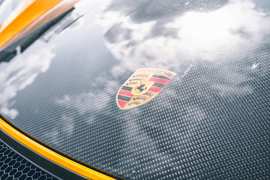
Fast forward to the current 992.1 generation, and the Porsche 911 GT3 RS has ascended to new stratospheres of hardcore track-oriented design. It’s a masterpiece of aerodynamic engineering and functional design. The carbon fiber bonnet, a signature element, now houses a central radiator with distinctive “nostril” outlets that meticulously channel airflow over the roofline, contributing to unprecedented downforce. Complementing this is a hydraulically adjustable front splitter, a feature mirroring the advanced technology found in the Turbo S, and subtle underbody flaps that manipulate airflow with surgical precision. Dominating the rear is an enormous, adjustable swan-neck rear wing, complete with a Drag Reduction System (DRS) – a direct nod to the pinnacle of motorsport, Formula 1, and exotic hypercars like the McLaren P1.
The performance credentials of the 992.1 GT3 RS are equally staggering. It boasts an adjustable, race-derived suspension system, dynamic engine mounts designed to optimize power delivery under extreme G-forces, and large, functional air intakes that feed its ferocious 4.0-liter naturally aspirated flat-six engine, producing a formidable 525 horsepower. The culmination of this relentless engineering is a blistering 0-62 mph sprint in just 3.2 seconds, an astonishing 860 kilograms of downforce at 177 mph, and a legendary Nürburgring Nordschleife lap time of 6:44.85. To put it into perspective, the current GT3 RS is as far removed from a standard GT3 as a peregrine falcon is from a common sparrow. This is a car built with a singular purpose: to devour tarmac and deliver an unparalleled driving experience.
The Next Chapter: The Imminent Arrival of the 992.2 Porsche 911 GT3 RS
The automotive grapevine is abuzz with anticipation, and recent spy shots confirm that the facelifted 992.2 Porsche 911 GT3 RS is deep in its final testing phases. Appropriately, its proving ground remains the unforgiving embrace of the Nürburgring. True to Porsche’s evolutionary design philosophy, the visual distinctions between the outgoing 992.1 and the upcoming 992.2 GT3 RS are subtle, yet significant. It retains the iconic central radiator configuration with its characteristic “nostril” outlets, the imposing swan-neck rear wing featuring DRS, large air intakes, and the purposeful side skirts. Even the door handles appear to be carried over, a testament to the focus on aerodynamic efficiency over cosmetic changes.
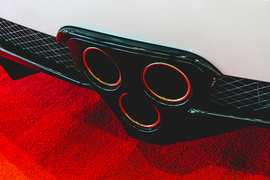
One noticeable shift is the repositioning of the front turn signals, now located lower on the bumper, a departure from the integrated headlight design seen on many standard 992.2 models. The rear diffuser has undergone a minor redesign, incorporating new, discreet rear intakes flanking the exhaust system, adding another layer of aerodynamic refinement. While the interior specifications remain somewhat under wraps, there’s speculation about the integration of the digital dashboard prevalent across the 992.2 range. Regardless of these finer details, the overall aesthetic remains that of an aggressively sculpted, incredibly effective track weapon, staying true to the GT3 RS’s lineage.
The whispers about a potential powertrain shift are particularly intriguing. Some speculate that the new car might adopt the 3.6-liter twin-turbo hybrid flat-six engine that has become a cornerstone of the 992.2 generation. Such a move would undoubtedly push power figures significantly beyond the current 4.0-liter naturally aspirated unit. However, based on my extensive experience and understanding of Porsche’s product strategy, I remain cautiously optimistic that this will not be the case for the GT3 RS.
My reasoning is rooted in Porsche’s meticulous approach to model differentiation and brand philosophy. Firstly, if Porsche intended to electrify the core GT3 offering, it’s highly probable they would have integrated this hybrid powertrain into the standard GT3 as well, which they have demonstrably not done. Secondly, while Porsche’s engineers have performed miracles in integrating the new hybrid powertrain, it inherently introduces additional weight. For a car whose very identity is built upon extreme weight reduction and agility, adding mass is anathema to the GT3 RS ethos. Most importantly, however, fitting a hybrid system purely for the sake of increased horsepower would fundamentally undermine the spirit of the GT3 RS. At their heart, both the GT3 and GT3 RS are designed as pure, unadulterated track-focused sports cars built to thrill and engage the driver, not as hypercars solely engineered to shatter lap records.
That latter domain is reserved for other titans within Porsche’s lineup. The upcoming GT2 RS, for instance, is a much more likely candidate to receive the potent 3.6-liter hybrid flat-six. Ultimately, Porsche understands that the discerning GT3 RS clientele seeks the most direct, mechanical, and exhilarating driving experience available on the market. To compromise the naturally aspirated 4.0-liter flat-six, an engine that has become synonymous with the RS badge, would be a disservice to this core philosophy. This is especially true considering the high probability that this 992.2 iteration might represent the swansong for this iconic engine, making its retention all the more crucial.
The competitive landscape is also evolving. Mercedes-Benz recently unveiled spy shots of its new track-focused AMG GT, a machine poised to be a direct rival to either the upcoming GT2 RS or, perhaps, even the GT3 RS itself. While the new AMG GT appears exceptionally capable and undeniably impressive, it will need a significant technological leap – perhaps even a complimentary rocket booster – to truly match the sheer, unadulterated track prowess of the GT3 RS. There’s a fundamental reason why this particular model has not only endured but thrived for over two decades. As the era of the naturally aspirated flat-six in the RS lineage draws to a close, it’s a certainty that if this is indeed its final act, the Porsche 911 GT3 RS will depart with an unforgettable symphony of flat-six roar and thunderous performance.
Navigating the Legacy and the Future of Track Performance
As an industry veteran with a decade immersed in the world of performance vehicles, the Porsche 911 GT3 RS represents more than just a car; it’s a continuous study in the pursuit of automotive perfection. The meticulous evolution from the initial 996 GT3 RS to the current 992.1, and the anticipatory buzz surrounding the 992.2, underscores Porsche’s unwavering commitment to delivering the ultimate track-day machine. This dedication to pure driving engagement, combined with cutting-edge engineering, positions the GT3 RS as a benchmark that competitors strive to reach, and owners cherish for its unparalleled connection to the road and track.
The emphasis on lightweight construction, aerodynamic efficiency, and a naturally aspirated engine – particularly the revered flat-six – has cemented the GT3 RS’s status. These core tenets, while evolving with technological advancements, remain the bedrock of its identity. The subtle yet impactful updates in each generation, from revised aerodynamics and suspension tuning to, potentially, minor powertrain refinements, are all geared towards enhancing the driver’s experience and pushing performance boundaries further.
For those seeking the pinnacle of track-focused driving, understanding the nuances of the Porsche 911 GT3 RS, whether considering a purchase in cities like Los Angeles, Miami, or Atlanta, or exploring the latest performance car reviews, is paramount. The distinction between the standard GT3 and the RS variant is not merely about horsepower; it’s about a philosophy of dedicated performance.
The automotive industry is in a perpetual state of flux, with electrification and advanced driver-assistance systems becoming increasingly prevalent. Yet, the enduring appeal of the Porsche 911 GT3 RS lies in its resolute focus on mechanical purity and visceral connection. It’s a testament to the fact that even in an era of advanced technology, there remains a profound appreciation for the raw, unadulterated joy of driving a perfectly engineered machine.
As the 992.2 GT3 RS approaches its debut, it represents not just a new iteration, but potentially a significant turning point. The preservation of the naturally aspirated flat-six, for its final run, will be a celebrated moment for enthusiasts worldwide. It’s a deliberate choice by Porsche to honor a legendary powertrain and deliver an experience that resonates deeply with those who understand the soul of a true performance car.
The future of automotive performance is undeniably complex, with diverse technological paths emerging. However, the legacy and ongoing evolution of the Porsche 911 GT3 RS serve as a powerful reminder of the enduring allure of purpose-built, driver-centric machines. Its continued relevance and desirability, even in the face of rapid technological change, speak volumes about its exceptional engineering and the profound connection it fosters with its drivers.
If you’re captivated by the relentless pursuit of performance and the iconic legacy of the Porsche 911 GT3 RS, now is the ideal moment to explore what this exceptional machine offers. Whether you’re considering a new purchase, seeking performance tuning services, or simply wishing to understand the driving dynamics that define this legend, engaging with a specialist dealership or performance driving school can provide invaluable insights and open the door to experiencing the thrill firsthand. Take the next step in your automotive journey today.